


Roof leaks rarely appear at a convenient time. One moment, your ceiling is fine; the next, there’s a water stain. In Sydney’s unpredictable climate, the best roof leak repair isn’t just a quick fix—it’s a long-term solution. Leaks often signal hidden damage, so understanding the causes, materials, and next steps is essential. Whether it’s storm damage or a lingering issue, spotting early signs and acting fast can save stress and money. This guide outlines effective repair methods and maintenance habits to help you make informed decisions and keep your roof protected for the long haul.
What are the early signs that indicate a roof leak?
A leaky roof rarely shouts for attention right away — it starts with subtle clues. Spotting those early warnings can prevent damage from spiralling out of control.
Common leak signals to watch for:
- Water stains on the ceiling: Discoloured patches or rings often appear after heavy rainfall.
- Peeling paint or bubbling plaster: Moisture buildup behind walls can cause the surface layer to break.
- Musty odours near attics or upper rooms: Damp spaces can produce a mouldy smell,
- Dripping sounds in the walls: Trapped water may be leaking inside the wall cavities.
- Sagging roofline or visible rot: Weakened timber structures may buckle from prolonged exposure.
If you notice any of these signs, don’t wait — acting early gives you the best chance to limit both the scope and cost of repairs. A closer look from your attic or a quick inspection by a professional can often reveal more than what’s visible at first glance. In many cases, these symptoms point to deeper moisture problems, and being aware of the factors that influence the cost of fixing a leaking roof can help you respond more effectively. Taking prompt action now can save you from much larger, more expensive repairs down the line.
Why is timely roof leak detection crucial for homeowners?
Time is not your friend when it comes to roof leaks. What starts as a drip can escalate into structural damage, electrical risks, or health hazards if left unchecked.
Here’s why speed matters:
- Structural damage risk: Soaked beams and ceiling joists can warp, split, or decay over time.
- Increased mould growth: Wet insulation and ceiling cavities are perfect spots for fungi to thrive.
- Decreased energy efficiency: Damaged insulation lets hot or cold air escape more easily.
- Higher repair costs: Delays allow leaks to spread and affect a more significant portion of your home.
A weekend DIY job could end up costing thousands in restoration. It’s essential to avoid the common mistakes made in DIY roof repair, such as mismatched materials, improper sealing, or unsafe ladder work — all of which can make matters worse. Identifying the problem early keeps repairs simple and reduces stress levels.
How does Sydney’s weather affect the lifespan of roof repairs?
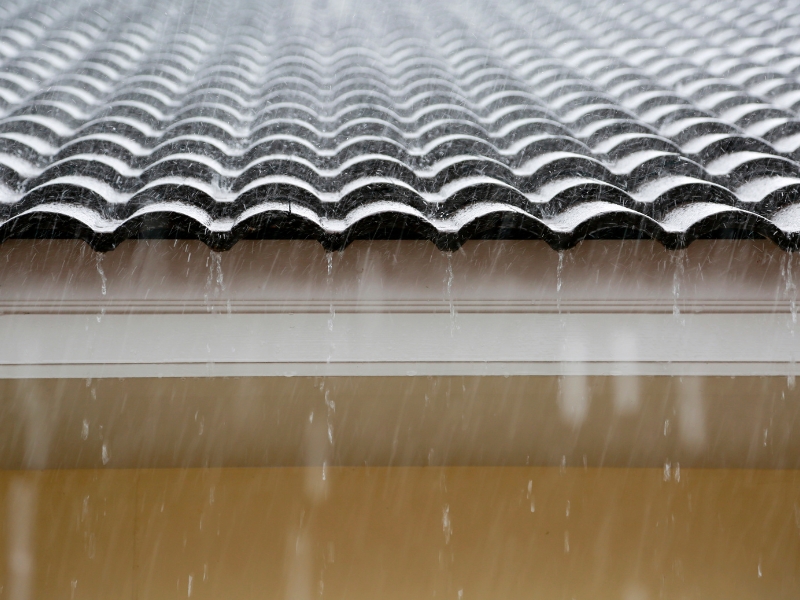
Sydney’s coastal climate throws plenty of curveballs at your roof — from salt-laden winds to harsh summer UV rays and intense storm seasons. These conditions take a toll, especially on poor-quality repairs.
How local weather shortens roof life:
- Sun exposure breaks down sealants: UV rays degrade caulking and rubber membranes quickly.
- Heavy rain stresses drainage: Overflowing gutters and blocked downpipes can redirect water into roof cavities.
- Humidity accelerates wood rot: Warm, damp conditions are ideal for decay in sub-roof structures.
- Salt air corrodes metal parts: Homes near the coast often experience faster rusting of flashings and fasteners.
Even the best repairs won’t hold up if the wrong materials are used or climate-specific risks are ignored. If you’re facing ongoing issues, it’s essential to understand when to consider replacing your roof due to damage and to evaluate whether a fresh start could be more cost-effective in the long run. Location matters, and so does understanding how your roof responds to its surrounding environment.
Why do materials matter in achieving the best roof leak repair?
Materials can make or break your repair job. Using the wrong sealant, patch, or flashing won’t just fail — it can create new leak points or accelerate degradation.
Smart material choices include:
- Roof type-compatible sealants: For example, silicone-based for metal, or bitumen for flat roofs.
- Flexible membranes: Ideal for areas with high thermal movement and expansion.
- Non-corrosive fasteners: Stainless steel or galvanised screws resist rust longer.
- Durable underlays and adhesives: These act as invisible barriers beneath the surface, preventing moisture from spreading.
The wrong product can undo an excellent installation. For instance, incompatible caulking may crack under UV exposure, leaving gaps behind after just one summer. Matching materials to your roof’s style, slope, and exposure is critical — and it’s often where DIY kits fall short. Material quality and fit matter just as much as workmanship.
Can professional inspections prevent future roof leaks?
Inspections are your early warning system. They highlight weak spots, catch emerging problems, and guide more innovative repairs before disaster strikes.
Why expert inspections matter:
- Identify hidden damage: Soft spots, lifted tiles, or failing underlays are easy to miss from the ground.
- Evaluate flashing and sealing wear: Crucial for waterproofing edges and joints.
- Check drainage efficiency: Ensures water isn’t pooling in valleys or blocked by debris.
- Custom recommendations: Not all roofs age the same — pros know what yours needs.
A qualified roofer can spot issues a homeowner wouldn’t see, and regular inspections (yearly or post-storm) can prolong your roof’s life by years. Alongside inspections, it’s essential to follow trusted roof safety practices during leak repair work, especially when using ladders, working near edges, or dealing with old materials.
What maintenance steps help preserve the best roof leak repair?
No matter how well the repair is done, neglect will undo it. Simple habits can make your roof last longer and reduce the risk of repeat issues.
Maintenance must-dos:
- Gutter cleaning: Removes leaves and dirt that block water flow and cause overflows.
- Tree trimming: Keeps overhanging branches from rubbing or dropping debris onto your roof.
- Roof checks after storms: Catch minor damage before it spreads.
- Tile replacement: Swapping cracked or slipped tiles avoids future leaks.
- Re-caulking flashings: Keeps joints sealed tight every couple of years.
A good repair doesn’t mean “set and forget.” Even top-tier sealants can break down without attention. For comparison, here’s a quick look at upkeep timing:
Task | Ideal Frequency | Why It Helps |
Clean gutters | Every 3 months | Prevents pooling and overflow |
Inspect for damage | Every 6–12 months | Spots issues before they worsen |
Reseal flashings | Every 2–3 years | Maintains waterproof joints |
Clear debris post-storm | As needed | Stops drainage blocks and tile damage |
Trim overhanging trees | Twice a year | Reduces wear and prevents gutter clogs |
For those unsure where to start, begin by finding the best roof leak repair method suited for your home. This will help match your needs to the right solution and materials, whether it’s a temporary fix, complete restoration, or preventative maintenance tailored to your roof’s age, structure, and exposure to Sydney’s weather conditions.
Final thoughts
Solving a roof leak is more than stopping the drip — it’s about preventing the next one. By paying attention to signs early, choosing the right materials, and booking routine inspections, you’ll make your repair last longer and avoid headaches later on. Small maintenance habits, quality choices, and professional help when needed all contribute to lasting peace of mind. Whether you’re tackling a known issue or preparing for the next storm season, review available options or learn how Sydney Tile Roof Painting can assist your project with a solution tailored to your home’s specific needs.